 Capresso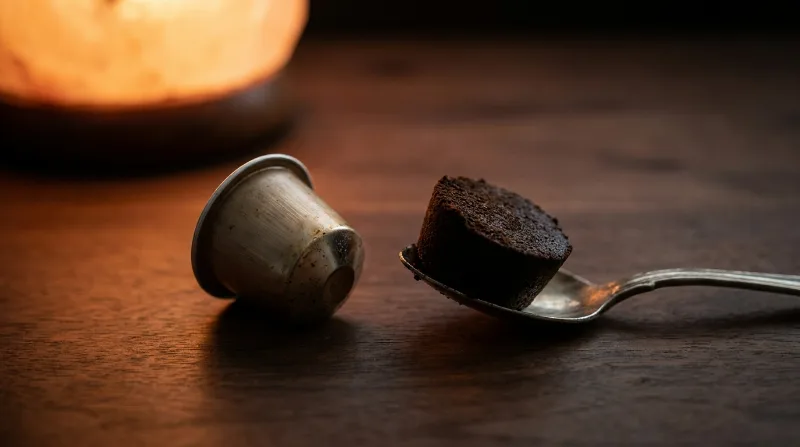
หนึ่งในคำถามที่คนดื่มกาแฟแคปซูลถามบ่อยที่สุดคือ "กาแฟแคปซูลใช้ซ้ำได้ไหม" เพราะจ่ายค่าแคปซูลทุกวันแล้วรู้สึกเสียดายที่ต้องทิ้งหลังชงเสร็จแค่แก้วเดียว บทความนี้จะตอบตรงๆ ว่าใช้ซ้ำได้จริงหรือไม่ แคปซูลแต่ละแบบต่างกันอย่างไร และที่สำคัญที่สุดคือ วิธี "ยืดความคุ้ม" แบบที่ได้ผลจริงโดยไม่ต้องแลกกับความยุ่งยากหรือรสชาติที่แย่ลง
กาแฟแคปซูลใช้ซ้ำได้ไหม? คำตอบสั้นๆ ก่อน
คำตอบขึ้นอยู่กับว่าคุณหมายถึงแคปซูลแบบไหน เพราะในตลาดมีอยู่ 2 ประเภทที่ต้องแยกให้ออก:
- แคปซูลแบบใช้ครั้งเดียว (single-use) เช่นกาแฟแคปซูลสำเร็จทั่วไปรวมถึงของ Capresso ที่บดกาแฟบรรจุปิดผนึกมาให้แล้ว ไม่ได้ออกแบบมาให้เติมซ้ำ เมื่อชงเสร็จ ฝาฟอยล์จะถูกเข็มเจาะทะลุและกาแฟข้างในถูกใช้ไปแล้ว การพยายามชงซ้ำจากแคปซูลเดิมจะได้กาแฟจืดๆ สีน้ำตาลอ่อน แทบไม่มีรสชาติ และมีโอกาสทำให้เครื่องอุดตันได้
- แคปซูลแบบรีฟิล/ใช้ซ้ำได้ (refillable) คือแคปซูลเปล่าทำจากสเตนเลสหรือพลาสติกปลอด BPA ที่ออกแบบมาให้ เติมกาแฟบดของคุณเองแล้วใช้ซ้ำได้หลายปี อันนี้ต่างหากที่ตอบว่า "ใช้ซ้ำได้"
สรุปคือ แคปซูลสำเร็จรูปแบบใช้ครั้งเดียว "ใช้ซ้ำไม่ได้จริง" แต่ถ้าอยากใช้ซ้ำ ต้องซื้อแคปซูลรีฟิลมาโดยเฉพาะ ซึ่งมีทั้งข้อดีและข้อเสียที่ต้องชั่งน้ำหนัก
แคปซูลรีฟิลทำงานอย่างไร
แคปซูลรีฟิลสำหรับเครื่องระบบ Original (OriginalLine) ส่วนใหญ่เป็นถ้วยสเตนเลสที่มีขนาดและรูปทรงตรงตามสเปกของแคปซูลปกติ วิธีใช้คือ ตักกาแฟบดละเอียดประมาณ 5–6 กรัมใส่ลงไป กดเบาๆ ให้แน่นและปาดหน้าให้เรียบ แล้วปิดด้วยฝาฟอยล์ที่เข็มของเครื่องจะเจาะได้ จากนั้นชงเหมือนแคปซูลปกติ
ตัวถ้วยสเตนเลสมีอายุการใช้งานประมาณ 5–10 ปีเมื่อใช้ทุกวัน แต่มีสองจุดที่เป็นของสิ้นเปลือง คือ ฝาฟอยล์ที่ต้องใช้ใหม่ทุกครั้งที่ชง (หนึ่งแผ่นต่อหนึ่งแก้ว) และ ซีลยางรอบตัวถ้วยที่อาจต้องเปลี่ยนทุก 1–3 ปี เมื่อเริ่มรั่วซึม จุดนี้สำคัญเพราะหลายคนมองข้ามไปว่ารีฟิลก็ยังมีต้นทุนแฝงอยู่
เทียบชัดๆ ใช้ครั้งเดียว vs รีฟิล
| หัวข้อ | แคปซูลใช้ครั้งเดียว | แคปซูลรีฟิล |
|---|---|---|
| ความสะดวก | ฉีกซองใส่ กดปุ่ม จบ | ต้องตัก กด ปาด ปิดฟอยล์ทุกแก้ว |
| ความสม่ำเสมอของรส | คงที่ทุกแก้ว คั่วบดมาตรฐาน | ขึ้นกับฝีมือและความละเอียดของกาแฟ |
| ความสดของกาแฟ | ปิดผนึกกันอากาศ/ความชื้น | ต้องบดเองสดๆ ไม่งั้นรสตก |
| ความยุ่งยากหลังชง | ทิ้งแคปซูลได้เลย | ต้องเคาะกาก ล้าง เช็ดทุกครั้ง |
| ต้นทุนกาแฟต่อแก้ว | สูงกว่าเล็กน้อย | ถูกลงถ้าใช้เมล็ดถูก |
| ต้นทุนแฝง | ไม่มี | ฟอยล์ + ซีลยาง + เวลา |
ข้อดี-ข้อเสียของแคปซูลรีฟิล
ข้อดี
- ประหยัดค่ากาแฟต่อแก้วได้ ถ้าซื้อเมล็ดคั่วบดในราคาถูก
- เลือกกาแฟได้อิสระ อยากลองเมล็ดหรือระดับคั่วไหนก็ทำได้
- ลดขยะแคปซูลในระยะยาว เพราะตัวถ้วยใช้ซ้ำได้หลายปี
ข้อเสีย
- ยุ่งและใช้เวลา ทุกแก้วต้องตัก กด ปาด ปิดฟอยล์ แล้วล้างหลังชง
- รสไม่สม่ำเสมอ ถ้ากาแฟหยาบ/ละเอียดไม่พอดี หรืออัดไม่แน่น จะได้กาแฟจืดหรือไหลช้า
- ต้องมีเครื่องบดที่บดละเอียดพอ กาแฟบดสำเร็จในถุงมักหยาบเกินไปสำหรับแรงดันของเครื่องแคปซูล
- มีต้นทุนแฝงจากฝอยล์และซีลยาง รวมถึงเวลาที่เสียไปในแต่ละวัน
- เสี่ยงต่อการรั่วหรืออุดตันถ้าปิดฟอยล์ไม่ดีหรือดูแลไม่สม่ำเสมอ
พูดตรงๆ คือ แคปซูลรีฟิลเหมาะกับคนที่ "อินกับกระบวนการชง" มีเครื่องบดดีๆ และไม่ถือว่าการล้างทุกวันเป็นภาระ แต่สำหรับคนส่วนใหญ่ที่เลือกเครื่องแคปซูลเพราะอยากได้ความเร็วและความง่าย รีฟิลอาจทำให้เสียเสน่ห์ข้อนี้ไป
ถ้าจะใช้รีฟิล ต้องดูแลเครื่องยังไง
การชงกาแฟบดเองบ่อยๆ ทำให้มีเศษกาแฟและคราบน้ำมันสะสมในหัวชงมากกว่าการใช้แคปซูลปิดผนึก จึงต้องใส่ใจการล้างตะกรัน (descaling) เป็นพิเศษ คำแนะนำทั่วไปคือ ล้างตะกรันทุกๆ ประมาณ 3 เดือน หรือทุก 300 แคปซูล แล้วแต่ว่าอะไรถึงก่อน (บางรุ่น/บางคู่มือระบุนานได้ถึง 6 เดือนหรือ 600 แคปซูล) โดยควรใช้น้ำยาล้างตะกรันที่ออกแบบมาสำหรับเครื่องโดยเฉพาะ ไม่แนะนำให้ใช้น้ำส้มสายชูเพราะอาจทำให้ชิ้นส่วนภายในเสียหาย ความถี่ยังขึ้นกับความกระด้างของน้ำในพื้นที่ของคุณด้วย
ไม่ว่าจะใช้แคปซูลแบบไหน อย่าลืมตรวจว่าเครื่องของคุณเป็นระบบไหน แคปซูลของ Capresso ใช้ได้กับเครื่อง Nespresso ระบบ Original เท่านั้น (ไม่รวม Vertuo และ Dolce Gusto) รายละเอียดดูได้ที่หน้า ความเข้ากันได้กับเครื่อง
อย่าลืมเรื่องรีไซเคิล
เหตุผลหนึ่งที่คนมองหาแคปซูลใช้ซ้ำคือเรื่องขยะ แต่แคปซูลแบบใช้ครั้งเดียวก็รีไซเคิลได้เช่นกัน ถ้าเป็นแคปซูลอลูมิเนียม แบรนด์อย่าง Nespresso มีโปรแกรมรีไซเคิลที่แจกถุงเก็บแคปซูลใช้แล้วให้ฟรี (ถุงหนึ่งจุแคปซูล OriginalLine ได้ราวๆ 200 ชิ้น) แล้วนำไปคืนที่จุดรับ ก่อนแยกกากกาแฟไปทำปุ๋ยและหลอมอลูมิเนียมกลับมาใช้ใหม่ ข้อควรรู้คือ แคปซูลใช้แล้วทิ้งลงถังรีไซเคิลทั่วไปไม่ได้ ต้องผ่านช่องทางรีไซเคิลของแคปซูลโดยเฉพาะ ส่วนแคปซูลวัสดุอื่นให้ตรวจสอบสัญลักษณ์บนบรรจุภัณฑ์ว่ารีไซเคิลแบบไหนได้บ้าง
ทางที่คุ้มจริง: ยืดความคุ้มด้วยการเลือกเซ็ตใหญ่
ถ้าเป้าหมายของคุณคือ "ประหยัด" จริงๆ ทางที่ได้ผลที่สุดมักไม่ใช่การไปเสียเวลากับรีฟิลทุกวัน แต่คือการเลือกซื้อแคปซูลคุณภาพดีเป็น เซ็ตใหญ่ ซึ่งลดราคาต่อแก้วลงได้มากโดยที่ยังได้ความสะดวกและความสดครบ:
- กล่อง 10 แคปซูล ราคา ฿160–180 (ราวๆ ฿16–18 ต่อแก้ว)
- เซ็ต 50 แคปซูล ฿599 (เฉลี่ยราวๆ ฿12 ต่อแก้ว)
- เซ็ต 100 แคปซูล ฿999 (เฉลี่ยราวๆ ฿10 ต่อแก้ว และส่งฟรี)
ที่ราวๆ ฿10 ต่อแก้ว ต้นทุนต่อแก้วก็ใกล้เคียงกับการรีฟิลเมล็ดคุณภาพดีอยู่แล้ว แต่คุณไม่ต้องเสียเวลาบด ตัก กด ปาด ปิดฟอยล์ และล้างทุกแก้ว อยากเห็นการคำนวณละเอียดว่าต้นทุนต่อแก้วมาจากไหน อ่านต่อได้ที่ ต้นทุนกาแฟแคปซูลต่อแก้ว
ข้อดีอีกอย่างของแคปซูลคั่วบดสดจากเมล็ดดอยปางขอนผสมบราซิลคือ ความสม่ำเสมอในทุกแก้วและมีให้เลือกถึง 8 รสชาติ ลองเลือกโปรไฟล์ที่ชอบได้ที่หน้า รสชาติทั้งหมด และดูราคาชุดประหยัดได้ที่หน้า แพ็กเกจเซ็ตใหญ่
สรุป
กาแฟแคปซูลแบบใช้ครั้งเดียว "ใช้ซ้ำไม่ได้จริง" ส่วนแคปซูลรีฟิลใช้ซ้ำได้แต่แลกมาด้วยความยุ่งยาก เวลา และต้นทุนแฝง สำหรับคนส่วนใหญ่ที่อยากได้ทั้งความคุ้มและความสะดวก ทางที่ลงตัวที่สุดคือเลือกแคปซูลคุณภาพดีในรูปแบบเซ็ตใหญ่ ซึ่งกดราคาต่อแก้วลงเหลือราวๆ ฿10 โดยไม่ต้องแลกกับความง่ายและรสชาติที่คุณจ่ายเงินซื้อเครื่องแคปซูลมาตั้งแต่แรก
One of the most common questions among capsule coffee drinkers is "Can you reuse coffee capsules?" After all, paying for a capsule every day and tossing it after a single cup can feel like a waste. This article gives you a straight answer on whether reuse actually works, how the different types of capsules compare, and most importantly, how to "stretch your value" in a way that truly pays off without trading it for extra hassle or worse-tasting coffee.
Can You Reuse Coffee Capsules? The Short Answer First
The answer depends on which kind of capsule you mean, because there are two distinct types on the market you need to tell apart:
- Single-use capsules such as standard ready-to-brew coffee capsules, including Capresso's, come pre-ground and sealed at the factory and are not designed to be refilled. Once brewed, the foil lid has been pierced by the machine's needle and the coffee inside has already been spent. Trying to brew again from the same capsule gives you weak, pale-brown water with almost no flavor, and it can even clog your machine.
- Refillable (reusable) capsules are empty capsules made of stainless steel or BPA-free plastic, designed so you can fill them with your own ground coffee and reuse them for years. These are the ones that can genuinely be called "reusable."
In short, ready-made single-use capsules "can't truly be reused," but if you want reusability, you'll need to buy dedicated refillable capsules, which come with their own trade-offs to weigh up.
How Refillable Capsules Work
Most refillable capsules for Original (OriginalLine) machines are stainless steel cups sized and shaped to match the spec of a regular capsule. To use one, spoon in about 5–6 grams of finely ground coffee, tamp it down gently and level off the top, then seal it with a foil lid that the machine's needle can pierce, and brew just like a normal capsule.
The stainless steel cup itself lasts around 5–10 years with daily use, but there are two consumable parts to keep in mind: the foil lid, which you need a fresh one of every single brew (one sheet per cup), and the rubber seal around the cup, which may need replacing every 1–3 years once it starts to leak. This matters, because many people overlook the fact that refillables still carry hidden costs.
A Clear Comparison: Single-Use vs Refillable
| Topic | Single-use capsules | Refillable capsules |
|---|---|---|
| Convenience | Drop it in, press a button, done | Scoop, tamp, level and seal foil every cup |
| Flavor consistency | Consistent every cup, standardized roast and grind | Depends on your skill and how fine the coffee is |
| Coffee freshness | Sealed against air and moisture | You must grind fresh or the flavor drops off |
| Cleanup after brewing | Just toss the capsule | Knock out the grounds, rinse and wipe every time |
| Coffee cost per cup | Slightly higher | Cheaper if you use inexpensive beans |
| Hidden costs | None | Foil + rubber seal + your time |
The Pros and Cons of Refillable Capsules
Pros
- You can lower your coffee cost per cup if you buy inexpensive roasted, ground beans.
- Total freedom of choice, try any bean or roast level you like.
- Less capsule waste over the long run, since the cup is reusable for years.
Cons
- It's fiddly and time-consuming, every cup means scooping, tamping, leveling, sealing the foil, then washing up afterward.
- Inconsistent flavor, if the grind is too coarse or too fine, or you don't tamp firmly enough, you'll get weak coffee or a slow flow.
- You need a grinder that goes fine enough, pre-ground bagged coffee is usually too coarse for the pressure of a capsule machine.
- There are hidden costs from the foil and rubber seal, plus the time you lose each day.
- Risk of leaks or clogs if the foil isn't sealed well or the maintenance isn't consistent.
Honestly, refillable capsules suit people who are "into the brewing ritual," own a good grinder, and don't see daily cleaning as a chore. But for most people, who chose a capsule machine precisely for the speed and ease, refills can strip away exactly that appeal.
If You Go Refillable, How to Care for Your Machine
Brewing your own ground coffee often leaves more coffee residue and oily buildup in the brew head than sealed capsules do, so you'll need to pay extra attention to descaling. The general advice is to descale roughly every 3 months or every 300 capsules, whichever comes first (some models and manuals allow up to 6 months or 600 capsules). Use a descaling solution made specifically for the machine; vinegar isn't recommended as it can damage internal parts. How often you need to do it also depends on the water hardness in your area.
Whichever type of capsule you use, don't forget to check which system your machine is. Capresso capsules work only with Nespresso Original machines (not Vertuo or Dolce Gusto). See the full details on our machine compatibility page.
Don't Forget About Recycling
One reason people look for reusable capsules is waste, but single-use capsules can be recycled too. For aluminum capsules, brands like Nespresso run recycling programs with free collection bags for your used capsules (one bag holds around 200 OriginalLine capsules), which you drop off at a collection point before the grounds are separated for compost and the aluminum is melted down and reused. Just know that used capsules can't go in your regular recycling bin, they have to go through the capsule-specific recycling channel. For capsules made of other materials, check the symbols on the packaging to see what kind of recycling is possible.
The Truly Cost-Effective Path: Stretch Your Value with Bigger Sets
If your goal is genuine "savings," the most effective route usually isn't fussing over refills every day, it's choosing quality capsules in a bigger set, which cuts the price per cup significantly while keeping all the convenience and freshness:
- Box of 10 capsules for ฿160–180 (around ฿16–18 per cup)
- Set of 50 capsules for ฿599 (averaging around ฿12 per cup)
- Set of 100 capsules for ฿999 (averaging around ฿10 per cup, with free shipping)
At around ฿10 per cup, your cost is already close to refilling with good-quality beans, but you skip the grinding, scooping, tamping, leveling, sealing foil, and washing up every cup. Want to see the detailed math on where the cost per cup comes from? Read more at capsule coffee cost per cup.
Another advantage of capsules freshly roasted and ground from Doi Pang Khon beans blended with Brazilian is the consistency in every cup, with a choice of 8 flavors. Pick the profile you love on our all flavors page, and check the value-set prices on our bulk sets page.
Summary
Single-use coffee capsules "can't truly be reused," while refillable capsules can be reused but at the cost of extra hassle, time, and hidden expenses. For most people who want both value and convenience, the sweet spot is choosing quality capsules in a bigger set, which drives the price per cup down to around ฿10 without giving up the ease and flavor you bought a capsule machine for in the first place.