 Capresso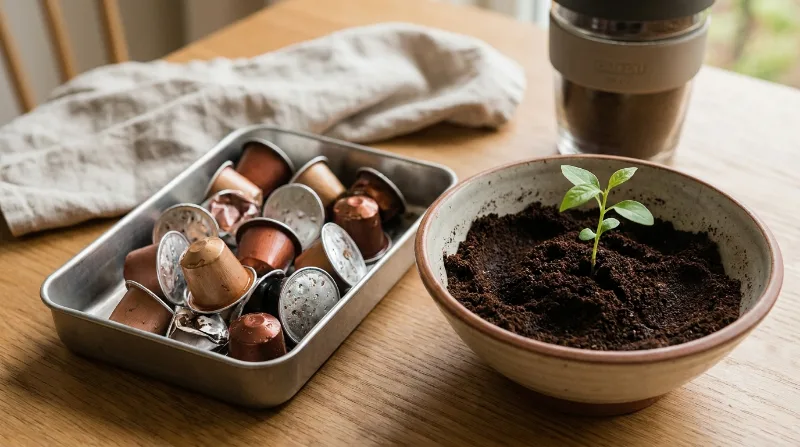
คำถามที่คนดื่มกาแฟแคปซูลถามบ่อยที่สุดข้อหนึ่งคือ “แคปซูลที่ใช้แล้วทิ้งยังไงให้ถูกต้อง” โดยเฉพาะแคปซูลที่ทำจากอลูมิเนียม ซึ่งเป็นวัสดุที่ใช้กับเครื่องระบบ Nespresso Original ข่าวดีคืออลูมิเนียมเป็นหนึ่งในวัสดุที่รีไซเคิลได้ดีที่สุดในโลก บทความนี้จะสรุป วิธีทิ้งกาแฟแคปซูล และแนวทาง รีไซเคิลกาแฟแคปซูล อลูมิเนียมในไทยแบบทำได้จริง ตั้งแต่การแยกกากกาแฟไปจนถึงช่องทางรีไซเคิลที่มีอยู่จริงในบ้านเรา
กาแฟแคปซูลอลูมิเนียมรีไซเคิลได้จริงไหม?
รีไซเคิลได้จริง และรีไซเคิลได้ดีมากด้วย อลูมิเนียมเป็นวัสดุที่สามารถหลอมกลับมาใช้ใหม่ได้แทบไม่จำกัดจำนวนครั้งโดยที่คุณภาพไม่ลดลง ต่างจากพลาสติกบางชนิดที่คุณภาพเสื่อมลงทุกครั้งที่รีไซเคิล นี่คือเหตุผลที่แคปซูลอลูมิเนียมถือเป็นวัสดุที่เป็นมิตรต่อสิ่งแวดล้อมมากกว่าแคปซูลพลาสติกแบบใช้ครั้งเดียวทิ้ง หากจัดการอย่างถูกวิธี
ประเด็นสำคัญคือ อลูมิเนียมจะถูกรีไซเคิลได้ก็ต่อเมื่อมันเข้าสู่ระบบรีไซเคิลจริง ๆ ไม่ใช่ถูกทิ้งปนไปกับขยะทั่วไปที่ลงเอยด้วยการฝังกลบ และก่อนจะเข้าระบบได้ แคปซูลต้อง “สะอาด” พอสมควร ซึ่งหมายถึงการแยกกากกาแฟออกก่อน นี่คือขั้นตอนที่หลายคนมองข้าม
ทำไมต้องแยกกากกาแฟและล้างก่อนรีไซเคิล
ภายในแคปซูลที่ใช้แล้วมีกากกาแฟเปียกอัดแน่นอยู่ ถ้านำไปทิ้งทั้งอย่างนั้น กากกาแฟจะกลายเป็นสิ่งปนเปื้อน (contamination) ที่ทำให้อลูมิเนียมเข้าสู่กระบวนการหลอมได้ยากขึ้น หรืออาจถูกคัดทิ้งไปเลย การแยกวัสดุสองชนิดออกจากกันจึงเป็นหัวใจของการรีไซเคิลแคปซูลอย่างแท้จริง ทั้งอลูมิเนียมและกากกาแฟต่างก็มีเส้นทางรีไซเคิลของตัวเอง เพียงแค่ต้องแยกให้ถูกที่
วิธีทิ้งและรีไซเคิลกาแฟแคปซูลอลูมิเนียม 4 ขั้นตอน
ขั้นตอนต่อไปนี้ใช้ได้กับแคปซูลอลูมิเนียมทั่วไป รวมถึงแคปซูล Capresso ที่ใช้กับเครื่องระบบ Original เช่นกัน
- แกะฝาแล้วเทกากกาแฟออก ฉีกหรือดึงฝาฟอยล์ด้านบนออก แล้วเคาะกากกาแฟที่อัดอยู่ข้างในลงถังขยะเปียกหรือกล่องหมักปุ๋ย พยายามเอาออกให้หมดที่สุด
- ล้างน้ำให้สะอาด ล้างตัวแคปซูลด้วยน้ำเพื่อขจัดคราบกาแฟที่ตกค้าง ยิ่งสะอาดยิ่งรีไซเคิลง่าย ขั้นตอนนี้ใช้เวลาไม่กี่วินาทีต่อชิ้น
- ผึ่งให้แห้งสนิท คว่ำแคปซูลผึ่งไว้ให้แห้ง ความชื้นที่ตกค้างอาจทำให้อลูมิเนียมที่รวบรวมไว้เกิดกลิ่นหรือขึ้นคราบระหว่างรอรวบรวมให้ได้ปริมาณมากพอ
- รวบรวมแล้วนำเข้าสู่ระบบรีไซเคิล เก็บแคปซูลอลูมิเนียมแห้ง ๆ ใส่ถุงหรือกล่องแยกไว้ เมื่อได้ปริมาณพอสมควรจึงนำไปขายซาเล้ง ร้านรับซื้อของเก่า หรือหย่อนลงถังขยะรีไซเคิลประเภทโลหะ
กากกาแฟที่แยกออกมา ใช้ทำอะไรได้บ้าง
อย่าเพิ่งทิ้งกากกาแฟลงถังขยะทั่วไป เพราะมันมีประโยชน์มากกว่าที่คิด กากกาแฟที่ผ่านการชงแล้วเป็นวัสดุอินทรีย์ที่นำกลับมาใช้ได้หลายทาง
- ทำปุ๋ยหมัก กากกาแฟให้ไนโตรเจนกับดิน ผสมลงกองปุ๋ยหมักหรือโรยรอบโคนต้นไม้ได้
- ดับกลิ่น ตากกากกาแฟให้แห้งแล้วใส่ถ้วยเล็กวางในตู้เย็นหรือห้องน้ำเพื่อดูดกลิ่นไม่พึงประสงค์
- ขัดทำความสะอาด ใช้ขัดคราบมันบนภาชนะ (เลี่ยงพื้นผิวที่เป็นรอยง่าย)
- ไล่แมลง โรยกากกาแฟในสวนช่วยไล่มด หอย และแมลงบางชนิด
การแยกกากกาแฟไปใช้ประโยชน์ยังช่วยลดปริมาณขยะเปียกที่ต้องนำไปฝังกลบอีกด้วย
ทางเลือกรีไซเคิลอลูมิเนียมในไทย
ประเทศไทยเป็นหนึ่งในไม่กี่ประเทศในเอเชียตะวันออกเฉียงใต้ที่มีระบบรีไซเคิลอลูมิเนียมแบบครบวงจร (closed-loop) โดยเฉพาะกับกระป๋องเครื่องดื่ม ระบบและโครงสร้างการรับซื้อของเก่าที่แข็งแรงนี้เอื้อให้แคปซูลอลูมิเนียมมีที่ไปเช่นกัน ทางเลือกหลักที่ทำได้จริงมีดังนี้
1. ซาเล้งและร้านรับซื้อของเก่า
เครือข่ายซาเล้งและร้านรับซื้อของเก่า (รวมถึงเครือใหญ่อย่างวงษ์พาณิชย์ที่มีหลายสาขาทั่วประเทศ) รับซื้อเศษอลูมิเนียมอยู่แล้ว การรวบรวมแคปซูลที่ล้างสะอาดและแห้งไว้ให้ได้ปริมาณหนึ่งก่อนนำไปขายหรือมอบให้ เป็นวิธีที่เข้าถึงง่ายที่สุดสำหรับคนไทยส่วนใหญ่ แคปซูลชิ้นเล็กอาจแนะนำให้รวมใส่กระป๋องหรือถุงอลูมิเนียมด้วยกันเพื่อไม่ให้หล่นหายระหว่างคัดแยก
2. ถังขยะรีไซเคิลประเภทโลหะ
คอนโด อาคารสำนักงาน ห้างสรรพสินค้า และพื้นที่สาธารณะหลายแห่งมีถังแยกขยะประเภท “โลหะ/รีไซเคิล” ให้หย่อนแคปซูลอลูมิเนียมที่แห้งและสะอาดลงไปได้ หลักการเดียวกับการทิ้งกระป๋องเครื่องดื่ม คือ ล้าง ทำให้แห้ง แล้วค่อยทิ้ง เพื่อไม่ให้ปนเปื้อนวัสดุอื่นในถัง
3. โครงการรับคืนเฉพาะแบรนด์
ในไทยมีโครงการรับคืนแคปซูลใช้แล้วเฉพาะแบรนด์อยู่บ้าง เช่น Nespresso ที่ร่วมกับศูนย์รีไซเคิลวงษ์พาณิชย์ แจกถุงรีไซเคิลและตั้งจุดรับคืนตามบูทีคของแบรนด์ โดยกระบวนการจะแยกอลูมิเนียมออกจากกากกาแฟ นำอลูมิเนียมไปหลอมใหม่และนำกากกาแฟไปทำปุ๋ย อย่างไรก็ตาม โครงการลักษณะนี้มักออกแบบมาสำหรับแคปซูลของแบรนด์นั้น ๆ โดยเฉพาะ ดังนั้นสำหรับแคปซูลอลูมิเนียมทั่วไป การใช้ช่องทางซาเล้ง ร้านรับซื้อของเก่า หรือถังแยกขยะรีไซเคิล จึงเป็นเส้นทางที่ตรงและปฏิบัติได้จริงที่สุด
| ช่องทาง | ต้นทุน | ความสะดวก | เหมาะกับใคร |
|---|---|---|---|
| ซาเล้ง / ร้านรับซื้อของเก่า | ฟรี (อาจได้เงินคืนเล็กน้อย) | เข้าถึงง่าย มีทั่วประเทศ | ทุกคนที่รวบรวมได้เป็นปริมาณ |
| ถังแยกขยะรีไซเคิลโลหะ | ฟรี | สะดวก หย่อนได้ทันที | คนอยู่คอนโด/ออฟฟิศที่มีถังแยก |
| โครงการรับคืนเฉพาะแบรนด์ | ฟรี | จำกัดจุดรับ และเฉพาะแบรนด์ | ผู้ใช้แคปซูลแบรนด์นั้นโดยตรง |
| ทิ้งรวมขยะทั่วไป | ไม่แนะนำ | ลงเอยด้วยการฝังกลบ | ไม่แนะนำสำหรับอลูมิเนียม |
เคล็ดลับลดขยะจากการดื่มกาแฟแคปซูล
นอกจากรีไซเคิลให้ถูกวิธีแล้ว การเลือกซื้ออย่างชาญฉลาดก็ช่วยลดขยะบรรจุภัณฑ์ได้ การซื้อเป็นเซ็ตขนาดใหญ่แทนกล่องเล็กหลาย ๆ กล่องช่วยลดบรรจุภัณฑ์ต่อแคปซูลลง ดูตัวเลือกได้ที่หน้า แพ็กเกจและเซ็ตประหยัด และถ้าอยากรู้ว่าราคาต่อแก้วคุ้มแค่ไหนเมื่อเทียบกับร้านกาแฟ ลองอ่าน ต้นทุนกาแฟแคปซูลต่อแก้ว เพิ่มเติม
อีกเรื่องที่ควรใส่ใจคือความเข้ากันได้ของแคปซูลกับเครื่อง แคปซูลอลูมิเนียมแบบ Original ใช้กับเครื่อง Nespresso ระบบ Original ได้ แต่ไม่ใช้กับระบบ Vertuo หรือ Dolce Gusto ตรวจสอบรายละเอียดได้ที่หน้า ความเข้ากันได้กับเครื่อง เพื่อไม่ให้ซื้อผิดจนต้องทิ้งเปล่า
สรุป
กาแฟแคปซูลอลูมิเนียมไม่ใช่ขยะที่ต้องจบลงในหลุมฝังกลบ เพียงทำตาม 4 ขั้นตอนง่าย ๆ คือ แกะเทกากกาแฟ ล้าง ผึ่งแห้ง แล้วนำเข้าสู่ระบบรีไซเคิลผ่านซาเล้ง ร้านรับซื้อของเก่า หรือถังแยกขยะโลหะ ก็เท่ากับคุณช่วยหมุนเวียนอลูมิเนียมกลับมาใช้ใหม่ และเปลี่ยนกากกาแฟให้เป็นปุ๋ยแทนขยะ
Capresso ตั้งใจคัดสรรเมล็ดดอยปางขอนและบราซิลคั่วบดสดใหม่ในแคปซูลอลูมิเนียมที่รีไซเคิลได้ อ่านเรื่องราวของเมล็ดได้ที่ กาแฟดอยปางขอน และเลือกชิมได้ทั้ง 8 รสชาติที่หน้า รสชาติกาแฟทั้งหมด ดื่มกาแฟดี ๆ ได้โดยไม่ทิ้งภาระให้โลก
One of the most common questions capsule-coffee drinkers ask is “how do I dispose of used capsules the right way?” — especially capsules made from aluminium, the material used with Nespresso Original machines. The good news is that aluminium is one of the most recyclable materials in the world. This article sums up a practical, real-world guide to disposing of coffee capsules and recycling coffee capsules made of aluminium here in Thailand — everything from separating out the used grounds to the recycling channels that genuinely exist in our country.
Can aluminium coffee capsules really be recycled?
Yes, they can — and remarkably well. Aluminium can be melted down and reused an almost unlimited number of times without any loss in quality, unlike some plastics that degrade a little with every recycling cycle. That’s why aluminium capsules are considered far more environmentally friendly than single-use plastic capsules — provided they’re handled the right way.
The key point is that aluminium only gets recycled if it actually enters the recycling stream — not when it’s tossed in with general waste that ends up in a landfill. And before it can enter that stream, the capsule needs to be reasonably “clean,” which means separating out the coffee grounds first. This is the step most people overlook.
Why you need to remove the grounds and rinse before recycling
Every used capsule has wet coffee grounds packed tightly inside. Throw it away just like that and those grounds become contamination that makes the aluminium harder to melt down, or gets it rejected altogether. Separating the two materials is therefore the real heart of recycling capsules properly. Both the aluminium and the coffee grounds have their own recycling path; they just need to be sent to the right place.
How to dispose of and recycle aluminium coffee capsules in 4 steps
The following steps work for aluminium capsules in general, including Capresso capsules made for Original-system machines.
- Peel off the lid and tip out the grounds. Tear or pull off the foil lid on top, then knock the packed grounds inside into your food-waste bin or compost box. Try to get as much out as you can.
- Rinse it clean. Rinse the capsule under water to wash away any leftover coffee residue — the cleaner it is, the easier it recycles. This takes only a few seconds per piece.
- Let it dry completely. Turn the capsule upside down and leave it to air-dry. Leftover moisture can make the aluminium you’ve collected smell or develop a residue while you wait to build up a big enough batch.
- Collect them and send them into the recycling stream. Keep your dry aluminium capsules together in a separate bag or box, and once you’ve gathered a decent amount, sell them to a saleng (mobile scrap collector) or a scrap-buying shop, or drop them into a metal recycling bin.
What can you do with the grounds you’ve separated out?
Don’t rush to throw those coffee grounds in with the general rubbish — they’re far more useful than you’d think. Spent coffee grounds are an organic material you can put to work in plenty of ways.
- Make compost. Coffee grounds add nitrogen to the soil, so mix them into a compost heap or scatter them around the base of your plants.
- Neutralise odours. Dry the grounds out, tip them into a small cup and set it in the fridge or bathroom to absorb unpleasant smells.
- Scrub things clean. Use them to scrub greasy marks off pots and dishes (avoid surfaces that scratch easily).
- Keep pests away. Sprinkling grounds around the garden helps deter ants, snails and certain other insects.
Putting your coffee grounds to good use also cuts down on the amount of wet waste that has to go to landfill.
Aluminium recycling options in Thailand
Thailand is one of the few countries in Southeast Asia with a full closed-loop aluminium recycling system, particularly for beverage cans. That strong scrap-collection network and infrastructure means aluminium capsules have somewhere to go too. Here are the main options that actually work.
1. Saleng collectors and scrap-buying shops
The network of saleng collectors and scrap-buying shops — including big chains like Wongpanit, with branches all over the country — already buys aluminium scrap. Gathering up your clean, dry capsules until you have a reasonable quantity and then selling or handing them over is the easiest option for most people in Thailand. For small capsules, it’s worth collecting them together inside an aluminium can or bag so the little pieces don’t get lost during sorting.
2. Metal recycling bins
Many condos, office buildings, shopping malls and public spaces have “metal / recycling” bins where you can drop clean, dry aluminium capsules. It’s the same principle as tossing in a drink can: rinse, dry, then dispose — so it doesn’t contaminate the other materials in the bin.
3. Brand-specific take-back programmes
Thailand does have a few brand-specific take-back schemes for used capsules — for example, Nespresso partners with the Wongpanit recycling centre, hands out recycling bags and sets up drop-off points at its boutiques. The process separates the aluminium from the grounds, melts the aluminium down for reuse and turns the grounds into compost. That said, schemes like this are usually designed specifically for that brand’s own capsules, so for aluminium capsules in general, using a saleng collector, a scrap-buying shop or a recycling bin remains the most direct and practical route.
| Channel | Cost | Convenience | Best for |
|---|---|---|---|
| Saleng / scrap-buying shop | Free (you may even get a little cash back) | Easy to reach, found nationwide | Anyone who can collect a fair quantity |
| Metal recycling bin | Free | Convenient — drop them in right away | People in condos/offices with sorting bins |
| Brand-specific take-back programme | Free | Limited drop-off points, and brand-only | Users of that particular brand’s capsules |
| Throwing them in with general waste | Not recommended | Ends up in landfill | Not recommended for aluminium |
Tips to cut down on waste from capsule coffee
Beyond recycling the right way, shopping smart also helps reduce packaging waste. Buying one large set instead of lots of small boxes lowers the packaging used per capsule — see the options on our packages and value sets page. And if you want to know just how good the price per cup is compared with a coffee shop, read more in the cost of capsule coffee per cup.
Another thing worth paying attention to is capsule-to-machine compatibility. Original-style aluminium capsules work with Nespresso Original machines, but not with the Vertuo or Dolce Gusto systems. Check the details on our machine compatibility page so you don’t buy the wrong thing and end up throwing it away for nothing.
Summary
Aluminium coffee capsules don’t have to end their life in a landfill. Just follow four simple steps — tip out the grounds, rinse, air-dry, then send them into the recycling stream via a saleng collector, a scrap-buying shop or a metal recycling bin — and you’re helping keep aluminium in circulation while turning coffee grounds into compost instead of rubbish.
Capresso carefully selects Doi Pang Khon and Brazilian beans, freshly roasted and ground into recyclable aluminium capsules. Read the story behind the beans in Doi Pang Khon coffee, and taste your way through all 8 flavours on the full coffee flavours page. Enjoy great coffee without leaving a burden on the planet.